How Does a Reverse Mortgage Work? A Simple Guide for Homeowners 62+

Serving Modesto and the Central Valley · (209) 505-1821
If you’re 62 or older and own a home, a reverse mortgage may let you turn some of your home equity into money without selling your home or making required monthly mortgage payments. You still own and live in the home, but the loan balance grows over time and generally must be repaid when you sell, move out, or pass away. You must also keep paying property taxes and homeowners insurance and maintain the home.
For Turlock and Central Valley homeowners who are house-rich but need more cash flow, understanding how a reverse mortgage works, including its costs and responsibilities, is an important first step.
How does a reverse mortgage work?
A reverse mortgage is a loan secured by your home. The most common kind is the FHA-insured Home Equity Conversion Mortgage, or HECM. Instead of making regular principal-and-interest payments to a lender, eligible homeowners can receive loan proceeds based on factors such as their age, home value, interest rate, and existing mortgage balance.
You keep the home’s title. The lender places a lien on the property, and interest and other loan charges are added to the amount owed. That means the balance usually increases over time, while the equity available to you or your heirs may decrease.
There is generally no required monthly mortgage payment while you meet the loan’s obligations. That does not mean the home has no ongoing costs: you remain responsible for property taxes, homeowners insurance, maintenance, and any applicable HOA or other property charges. If you don’t meet these obligations, the loan could go into default.
A reverse mortgage generally becomes due when the last borrower dies, sells the home, or no longer uses it as a primary residence. The borrower or estate typically repays the loan by selling the home, refinancing, or using other funds. FHA-insured HECMs are generally non-recourse, which means the borrower or estate typically won’t owe more than the home’s value when it is sold to repay the loan. Rules and deadlines apply, so heirs should contact the loan servicer promptly.
For more detail, see the CFPB’s overview of reverse mortgages and its guide to when repayment is due.
How can you receive reverse mortgage payments?
Depending on the loan and its terms, proceeds may be available in a few ways:
- Lump sum: Receive a single amount at closing. Availability and limits depend on the loan structure.
- Monthly payments: Set up regular payments for a chosen period or, under some plans, for as long as you live in the home and meet the loan requirements.
- Line of credit: Draw funds as needed, up to the amount available under the loan.
- A combination: Some plans allow a mix of a line of credit and scheduled payments.
A line of credit can appeal to homeowners who don’t need all the money at once. Under HECM program rules, the unused available credit may grow over time. This is not interest earned in a bank account, and you generally owe interest and applicable charges on funds you borrow, not on the unused credit. Ask a counselor and lender to explain how the specific plan works.

Reverse mortgage requirements: a quick checklist
For an FHA-insured HECM, you generally need to:
- Be 62 or older. If more than one person is borrowing, age rules may depend on the youngest borrower.
- Live in the home as your primary residence and meet the property eligibility rules.
- Have enough home equity. Any existing mortgage or lien may need to be paid off, often using reverse mortgage proceeds.
- Complete a financial assessment. The lender reviews your ability to keep up with property charges; some borrowers may need money set aside for future taxes or insurance.
- Receive counseling from a HUD-approved reverse mortgage counselor before proceeding.
The HUD HECM counseling certificate is part of the federal program. Counseling gives you a chance to review the loan, responsibilities, costs, and alternatives independently.
Reverse mortgage pros and cons
A reverse mortgage can be useful, but it isn’t right for everyone. Consider the full picture before deciding.
Potential advantages
- Access some of your home equity without selling or making required monthly mortgage payments.
- Choose from payment options that may help with retirement expenses, healthcare costs, or an existing mortgage.
- Keep ownership of the home as long as you meet the loan requirements.
- FHA-insured HECMs generally include non-recourse protection, subject to program rules.
Potential disadvantages
- Interest and loan costs add to the balance, reducing the equity that may remain for you or your heirs.
- You still have to pay property taxes, homeowners insurance, and maintenance costs.
- Selling, moving out, or a borrower’s death can trigger repayment. A spouse who is not a borrower may have different protections, so ask how the loan would affect them.
- Loan costs and the effect on benefits, taxes, and estate plans deserve careful review. Talk with a counselor and, where appropriate, a tax or legal professional.

Common reverse mortgage myths
“The bank takes your home.” No. You retain title as the homeowner. The lender has a lien, and the loan becomes due under specific circumstances, such as selling or moving out. You must still meet the loan’s occupancy and property-charge obligations.
“My family will automatically inherit a bill they can’t pay.” Not necessarily. Heirs generally have options that may include selling the home and using the proceeds to repay the loan, or paying off the balance to keep it, subject to the loan’s rules and deadlines. With an FHA-insured HECM, heirs generally are not personally responsible for a shortfall beyond the home’s value. They should contact the servicer quickly to understand their options.
“It’s free money.” It’s borrowed money secured by your home. Interest and other charges are added to the balance, so it’s important to weigh today’s cash-flow needs against future equity.
What are the alternatives?
A HELOC lets you borrow against home equity, often as needed, but it typically requires monthly payments and approval based on your finances. For homeowners under 62, a fintech HELOC can offer an online application that takes about five minutes, with funds available in as few as five days for qualified borrowers. Terms, approval, and timing vary.
A cash-out refinance replaces your current mortgage with a larger one and returns some equity as cash. It usually means taking on required monthly mortgage payments and new loan costs.
Downsizing, selling your home and moving to a less expensive one, can free up equity without adding a loan, but it means leaving your current home and taking on moving costs.
The right comparison depends on how long you expect to stay, how much money you need, and whether maintaining a monthly payment or preserving equity for heirs is a priority.
Talk it through before making a decision
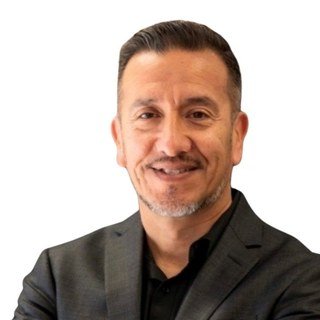
A reverse mortgage is a significant decision, and it’s reasonable to ask questions before you commit. Jesse Santana has more than 25 years of mortgage experience and a 5.0-star rating across about 298 reviews. He serves homeowners in Turlock and the Central Valley and can help you understand the options and what to ask a HUD-approved counselor.
Call or text Jesse directly at (209) 505-1821.
Not all borrowers will be approved, and loan terms and eligibility requirements vary. This article is for general educational purposes only and is not financial, tax, or legal advice. Consider speaking with a HUD-approved counselor and qualified professionals before making a decision.
Frequently asked questions
Do you make monthly payments on a reverse mortgage?
There are generally no required monthly principal-and-interest payments while you meet the loan obligations. You must continue paying property taxes, homeowners insurance, maintenance, and other applicable property charges.
Can you lose your home with a reverse mortgage?
You keep ownership, but the loan requires you to live in the home as your primary residence and meet your ongoing responsibilities. Failing to meet those requirements may put the loan in default and risk foreclosure.
What happens to the home when the borrower dies?
The loan generally becomes due after the last borrower dies. Heirs may be able to sell the home and repay the loan or pay it off to keep the home. They should contact the servicer promptly because deadlines and options apply.
Is a reverse mortgage only for people who need money right away?
No. Some homeowners choose a line of credit so they can access funds if needed later. Whether that approach makes sense depends on the loan terms, costs, and household’s needs.
Leave a Reply