How Physician Loans Work in California: Buying a Home With Little Down as a Medical Professional

Serving Modesto and the Central Valley · (209) 505-1821
Do you need a large down payment, or years of savings, before you can buy a home as a medical professional? Not necessarily. A physician mortgage loan is designed for eligible medical professionals and, with Jesse Santana’s program, can offer as little as 5% down with paid mortgage insurance rather than borrower-paid monthly private mortgage insurance (PMI).
A physician loan may also assess student debt differently from a conventional mortgage and may be available before or during residency, depending on eligibility and underwriting. Here’s how a physician loan in California works, what lenders may ask for, and how it compares with conventional and Federal Housing Administration (FHA) financing.
What is a physician loan, and how does it work?
A physician loan, also called a doctor home loan or physician mortgage loan, is a home loan program for certain medical professionals. It may offer a lower down payment and underwriting options suited to a borrower whose career is still taking shape, such as a resident or a doctor relocating for a new position.
Jesse’s physician loan program offers as little as 5% down and includes paid mortgage insurance. That is not the same as saying there is no mortgage insurance: the program’s insurance is paid rather than charged to the borrower as monthly PMI. Down payment, loan terms, and eligibility depend on the application and program rules.
As an example, 5% of a $500,000 home price is $25,000. That figure does not include closing costs, prepaid expenses, or other funds you may need at closing.
Call or text Jesse to talk through whether a physician loan fits your situation.
Who may qualify for a physician loan?
Eligibility depends on the lender’s program. Physician loans commonly serve medical doctors (MDs) and doctors of osteopathic medicine (DOs); some programs may also consider dentists (DDS or DMD) and other medical professionals. A pharmacist or another healthcare professional should ask directly whether their credentials qualify.
Some programs may work for borrowers who are in residency or fellowship, or who have completed training but have not yet started a new job. If you’re moving to Modesto, Turlock, or elsewhere in the Central Valley for a position with a hospital, clinic, or medical group, an employment contract with a future start date may help the lender assess upcoming employment. The contract’s details and timing must meet program requirements.
How can student loans affect approval?
Student debt still matters. Lenders look at your income, debts, credit, assets, and the proposed mortgage payment to assess whether the loan fits your finances. A physician loan may treat student loan payments differently from a conventional mortgage, but the details depend on the specific loan program and your repayment status.
For instance, a conventional lender may use the payment shown on your student loan records, or another payment calculated under the applicable guidelines. The current Fannie Mae Selling Guide describes how its conventional underwriting handles student-loan payments. A physician loan may offer different treatment, but you should not assume that student debt will be excluded. Ask the lender how your actual payment, income-driven repayment plan, deferment, or forbearance will be reviewed.

Physician loan vs. conventional vs. FHA: what’s different?
These are general features, not guaranteed terms. Conventional loans include a range of options, and the right fit depends on your finances and the specific lender’s offer.
| Feature | Physician loan (Jesse’s program) | Conventional loan | FHA loan |
|---|---|---|---|
| Down payment | As little as 5%, subject to eligibility | Some eligible options allow a low down payment; terms vary | As little as 3.5% for eligible borrowers |
| Mortgage insurance | Program includes paid mortgage insurance, not borrower-paid monthly PMI | PMI is generally required with less than 20% down, depending on the loan | Upfront and annual mortgage insurance generally apply |
| Student-loan treatment | May differ from conventional rules; confirm how your payments are counted | Follows the applicable conventional underwriting guidelines | Follows FHA underwriting rules |
| May be a fit for | Eligible medical professionals who want a lower down payment | Buyers who qualify for a conventional option and want to compare costs and terms | Buyers who meet FHA requirements and want to consider a government-insured option |
A smaller down payment can preserve savings, but it does not automatically make a loan the lowest-cost choice. Compare the interest rate, fees, monthly payment, mortgage insurance, and total cash needed. The Consumer Financial Protection Bureau explains how to review and compare Loan Estimates.
What are the physician loan requirements?
Exact physician loan requirements vary. A lender will review your full financial picture and whether the home and loan meet program guidelines. You may be asked for:
– Professional credentials: Medical degree, license, or other documentation relevant to your field and training status.
– Employment information: Current employer details, or a signed contract or offer letter showing position, compensation, and start date if you are relocating or have not started work.
– Income records: Recent pay statements and tax documents, when applicable; residents may be asked to document training income.
– Student-loan records: Recent statements or documents showing balances, repayment status, and required monthly payments.
– Asset records: Bank or investment statements to document funds for the down payment, closing costs, and any required reserves.
– Credit and debt information: Details that help the lender review your credit history and recurring obligations.
– Home and purchase details: Once you have an offer, the signed purchase agreement and information about the property.
This is a typical starting checklist, not a complete list. The lender may request additional documents as your application moves forward.
Can I buy before residency or before starting a new job?
Possibly. Some physician loan programs may consider residents and borrowers with a future employment start date. A signed contract can help document a new position, but it does not guarantee that the lender can use the future income or approve the loan. The start date, contract terms, required documentation, and your other finances all matter.
If you are moving to work in the Modesto or Turlock area, bring your contract and ask early how the lender will evaluate your timeline. I serve buyers throughout Modesto, Turlock, and the Central Valley, including medical professionals relocating for local healthcare jobs.
How do I compare my options?
Before choosing a doctor home loan, ask for a side-by-side review of the available choices. I suggest checking:
1. How much cash you need for the down payment, closing costs, and reserves.
2. How the lender will count each student loan in your monthly debt.
3. Whether mortgage insurance is included, and how it affects your payment and costs.
4. The interest rate, loan type, fees, and estimated monthly payment.
5. Whether the program works with your credential, employment start date, and intended property.
Ask for the written Loan Estimate and review the figures rather than focusing only on the down payment. A physician mortgage may be useful, but a conventional or FHA option could make more sense for some buyers.
Frequently asked questions
Is Jesse’s physician loan a zero-down loan?
No. Jesse’s program offers as little as 5% down; it is not a zero-down physician loan. Eligibility and terms vary.
Does the physician loan have no mortgage insurance?
No. The program includes paid mortgage insurance, rather than borrower-paid monthly PMI. Ask how the insurance and other loan costs are reflected in your specific offer.
Do pharmacists and dentists qualify?
Some physician loan programs include dentists or other medical professionals, but eligible credentials vary by program. Ask the lender to confirm whether your degree, license, or training status meets the current requirements.
Can I qualify while I’m a resident?
It may be possible, depending on the program, your income, debts, credit, assets, and other underwriting factors. A conversation with a loan officer can help clarify what documents and options apply to your situation.
Next step
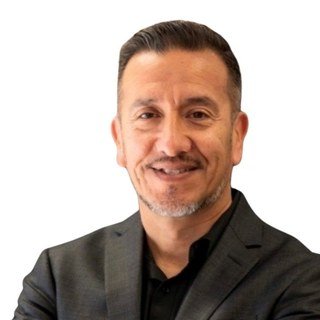
I’m Jesse Santana, a Mortgage Loan Officer (NMLS #256630) serving Modesto and the Central Valley. With 25+ years of experience and a 5.0-star rating across about 298 reviews, I help medical professionals explore home-financing options across the Central Valley.
Call or text me at (209) 505-1821 to talk through your next steps. Not all borrowers will be approved; program terms and eligibility vary. This article is for educational purposes only and is not a loan offer.
Leave a Reply